
Getting started
Why are so many teachers moving to the Middle East?
When is the best time to apply for teaching jobs in the Middle East?
What qualifications are essential for teaching in Gulf countries?
Is teaching in the Gulf really what you think? Common misconceptions
How is teaching in the Middle East different from the UK?
Recruitment
How can teachers make their CV shine for international schools?
How can you ace international teaching interviews?
What common job application mistakes do teachers make in the Gulf?
What qualities make a candidate stand out in schools?
What do schools truly want in a strong candidate?
What's the number one deal breaker for school candidates?
Salaries, benefits and contracts
What salaries can teachers expect in the Middle East?
What benefits do international schools offer?
What key factors should teachers assess in contracts?
School cultures and expectations
What to expect for workload and hours in international schools
What support can new teachers expect in the GCC?
How do parents shape international school experiences?
How are Gulf schools elevating teacher skills?
Lifestyle and living in the Gulf
How easy is it to start teaching in the Middle East?
What must educators know about cultural adaptation in the Middle East?
What's it like living and socialising as a teacher in the Gulf?
What's the cost of living for teachers in the UAE and Saudi Arabia?
Career growth
How quickly can teachers get promoted in the Middle East?
How long do teachers stay in Gulf countries before moving on?
Teaching in the Middle East: a country guide
A short introduction to each country we recruit for. Every school is different, so we'll talk you through the details of any role you're considering.
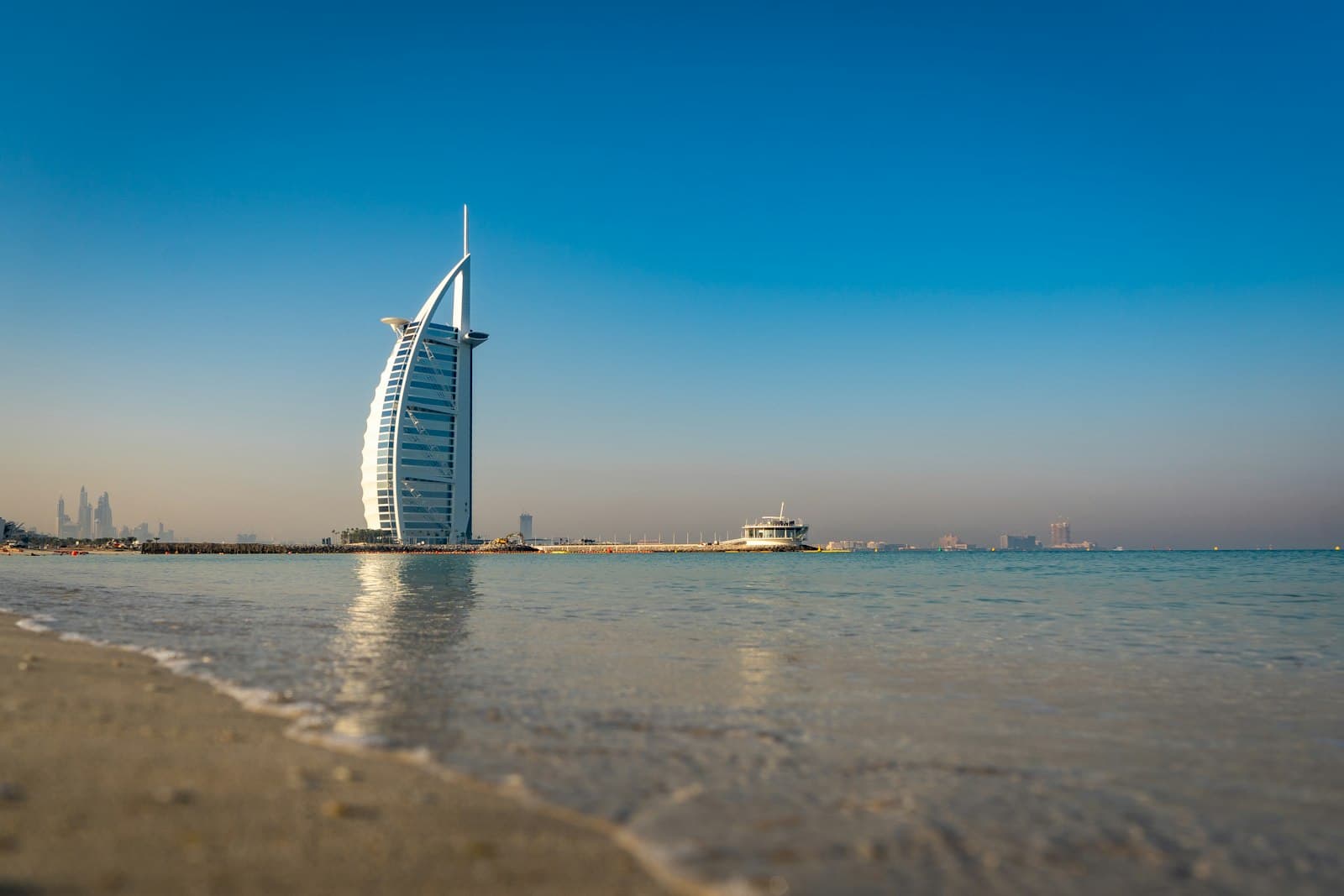
United Arab Emirates
The UAE has one of the largest international school sectors in the world, concentrated in Dubai and Abu Dhabi, with a growing number of schools in Sharjah and the northern emirates. Schools follow British, American, IB, Indian and other curricula, and private schools are inspected by regulators such as KHDA in Dubai and ADEK in Abu Dhabi. It is a cosmopolitan place to live, with a large expatriate community.
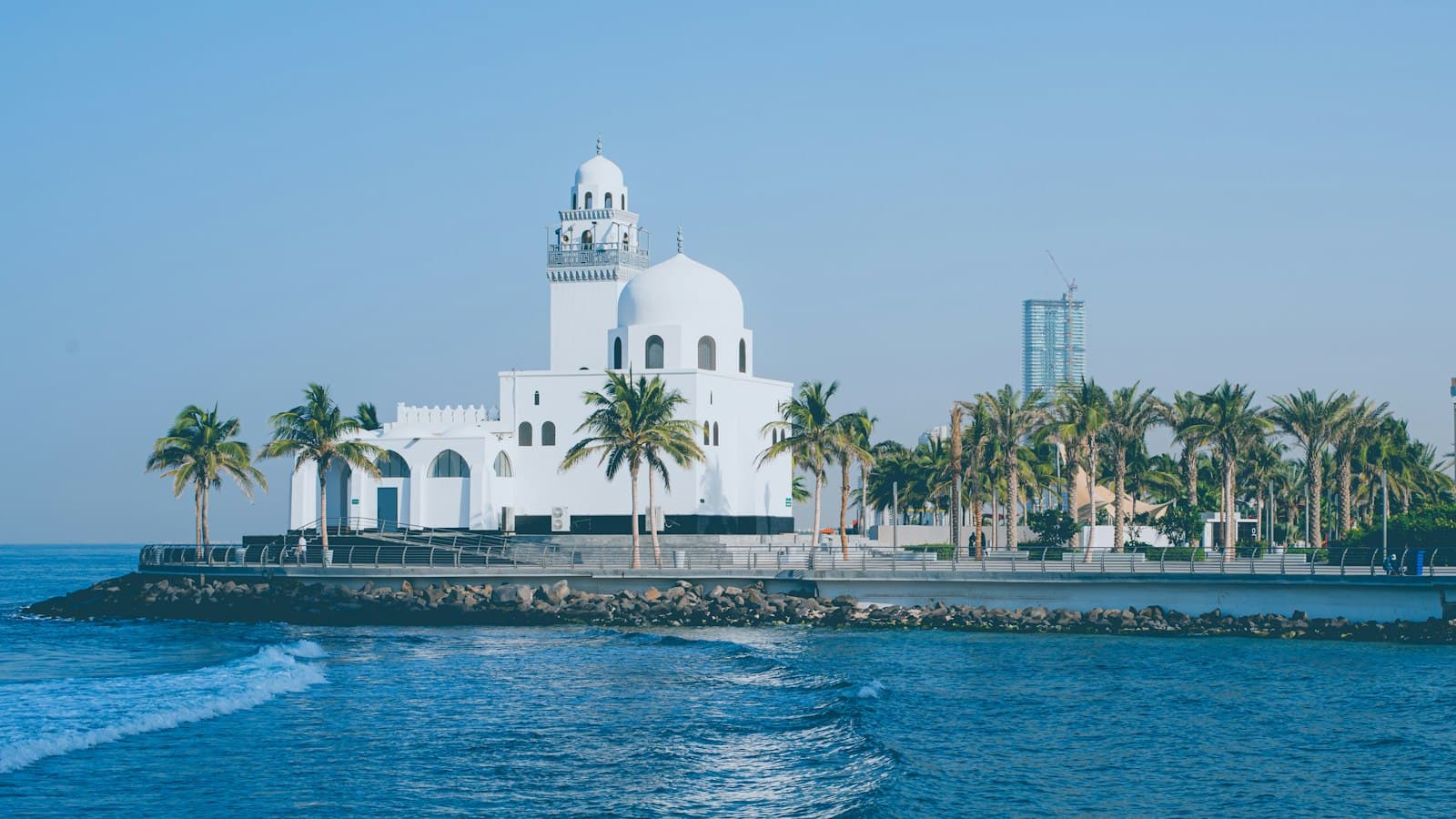
Saudi Arabia
Saudi Arabia is the largest country in the Gulf and one of its fastest-growing education markets. International schools are clustered in Riyadh, Jeddah and the Eastern Province around Dammam and Al Khobar. Some schools are single-sex, and daily life reflects the country's conservative traditions, which are changing quickly. The school week usually runs Sunday to Thursday.
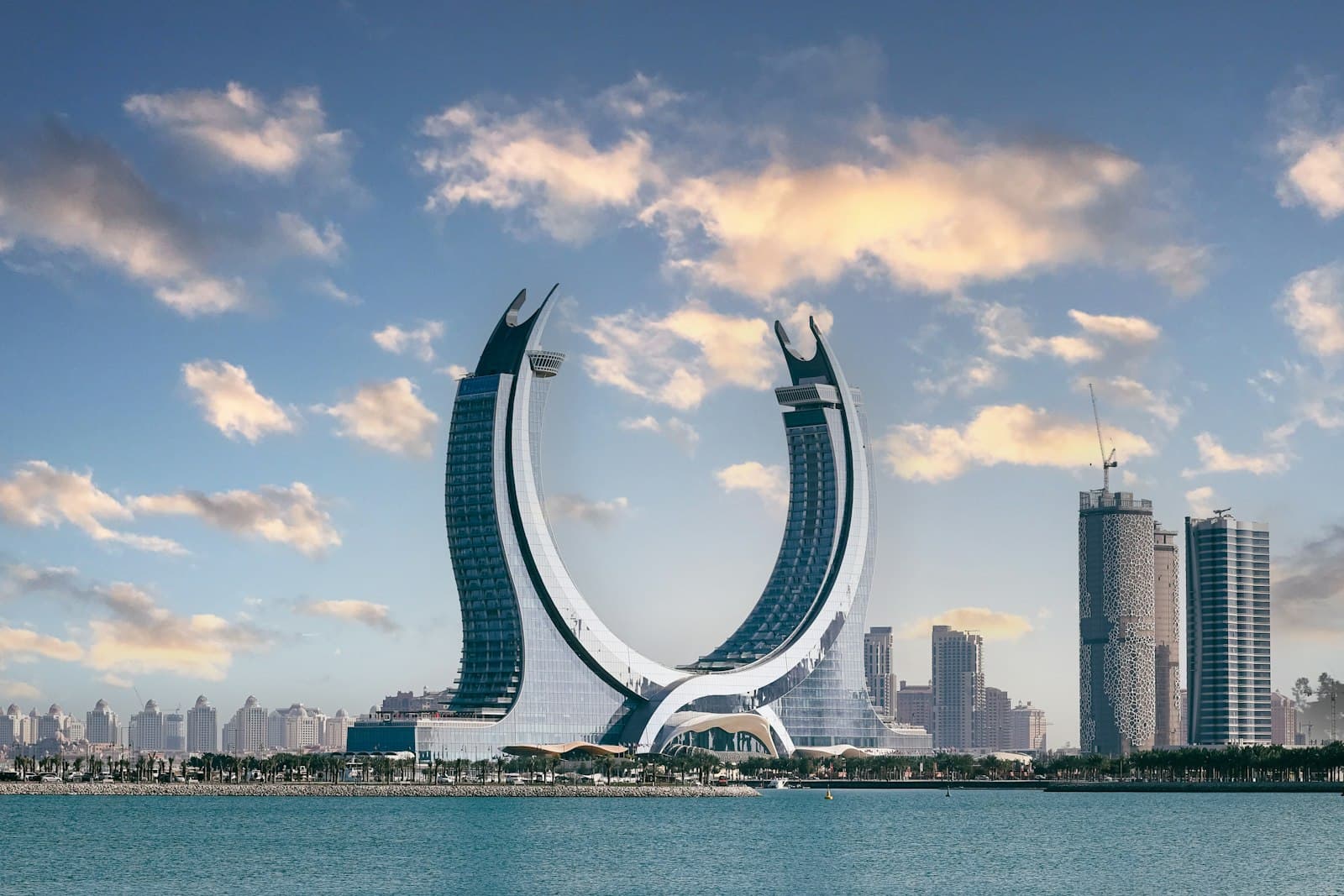
Qatar
Most international schools in Qatar are in and around Doha, including those in Qatar Foundation's Education City. British, American and IB schools are all well established. Doha is compact, safe and family-friendly, and the school week usually runs Sunday to Thursday.
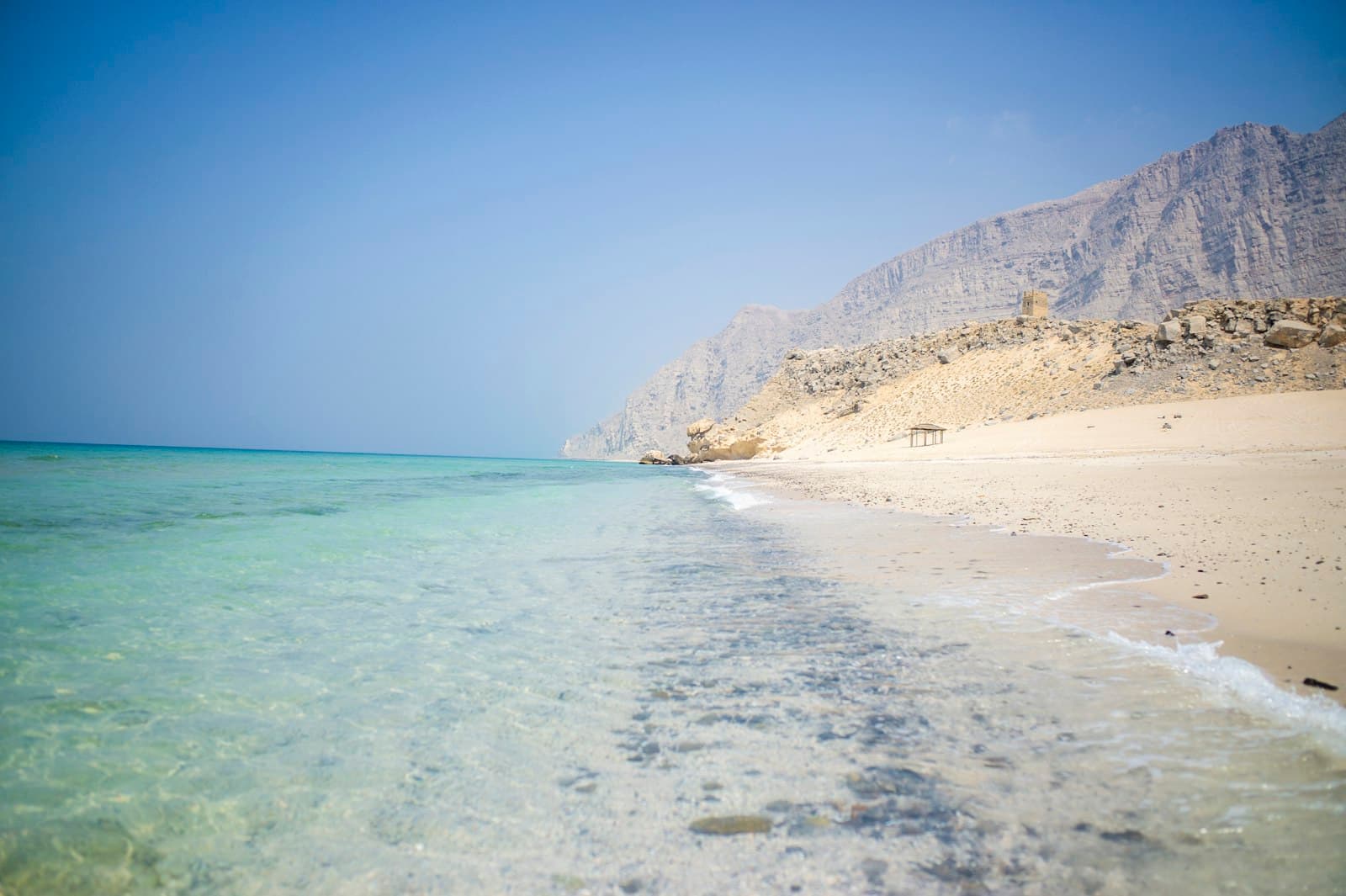
Oman
Oman offers a calmer pace of life, with mountains, desert and a long coastline all close to the capital, Muscat, where most international schools are based. Omani culture is known for its hospitality, and many teachers value the strong sense of community. The school week usually runs Sunday to Thursday.
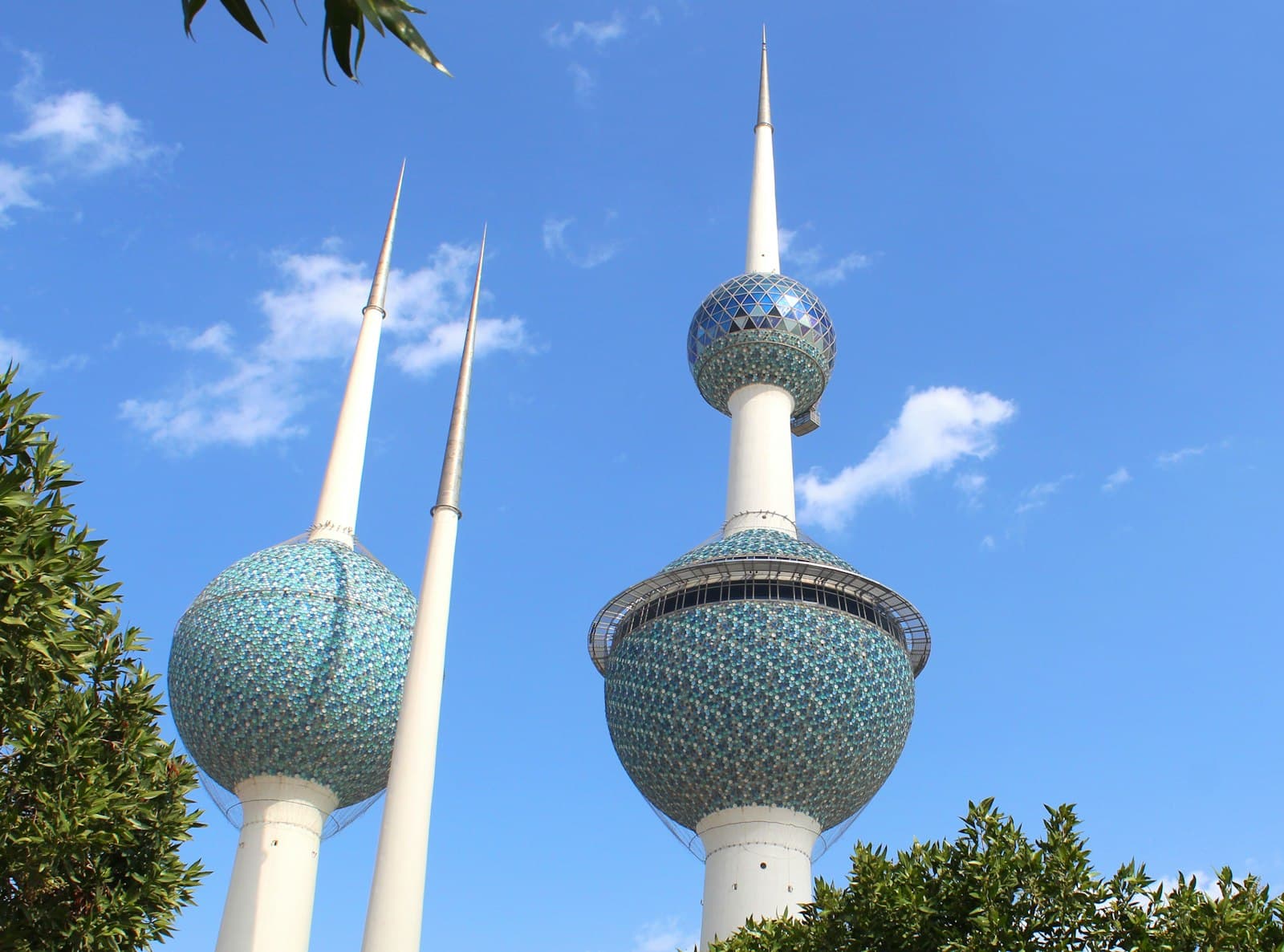
Kuwait
Kuwait has a long-established private school sector, with many British and American curriculum schools in and around Kuwait City. Schools often have close-knit staff communities. Summers are very hot, so much of social life happens indoors or in the evenings. The school week usually runs Sunday to Thursday.
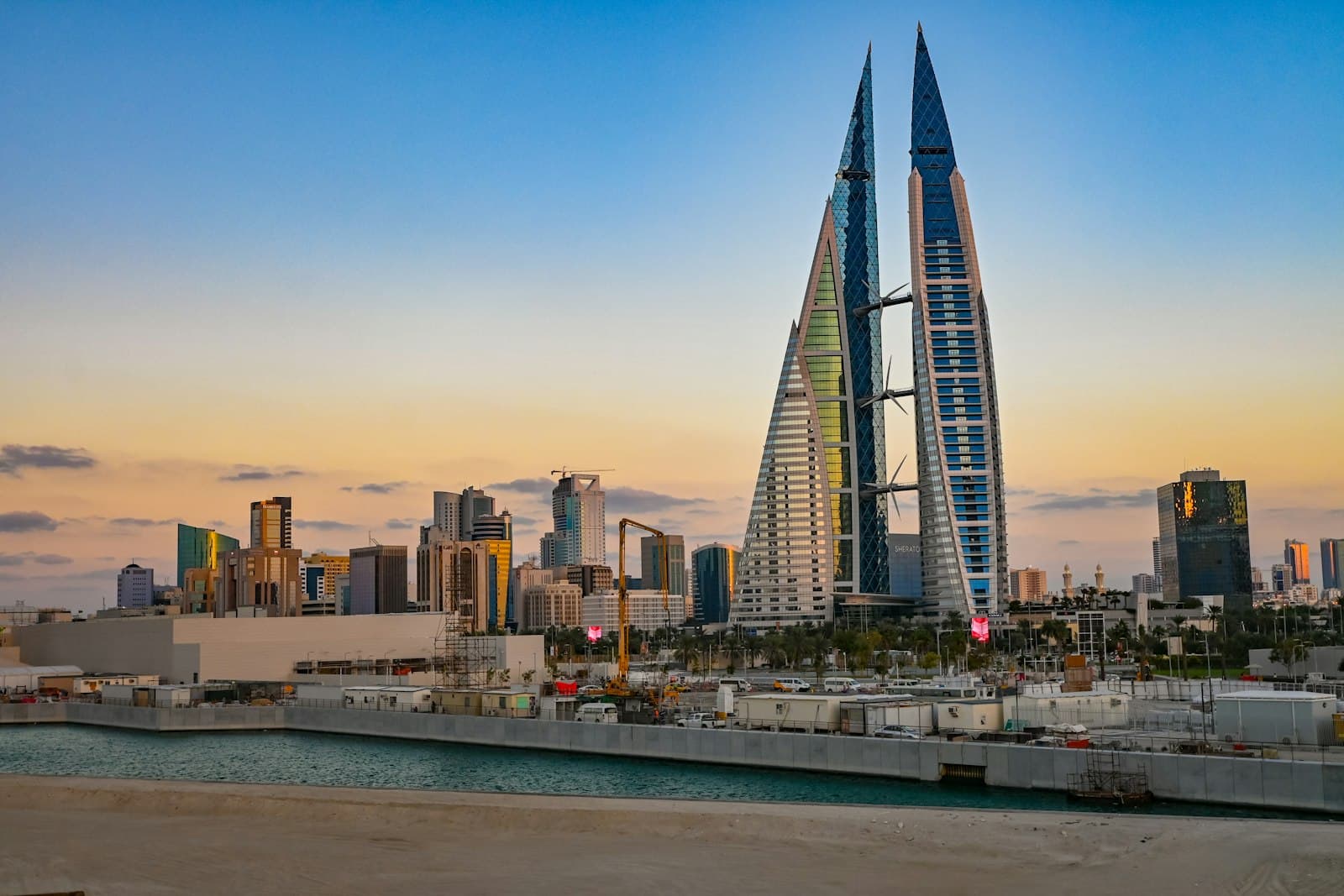
Bahrain
Bahrain is a small island kingdom linked to Saudi Arabia by the King Fahd Causeway. Its capital, Manama, is relaxed and cosmopolitan, and the country has a long history of British and international schooling. The school week usually runs Sunday to Thursday.
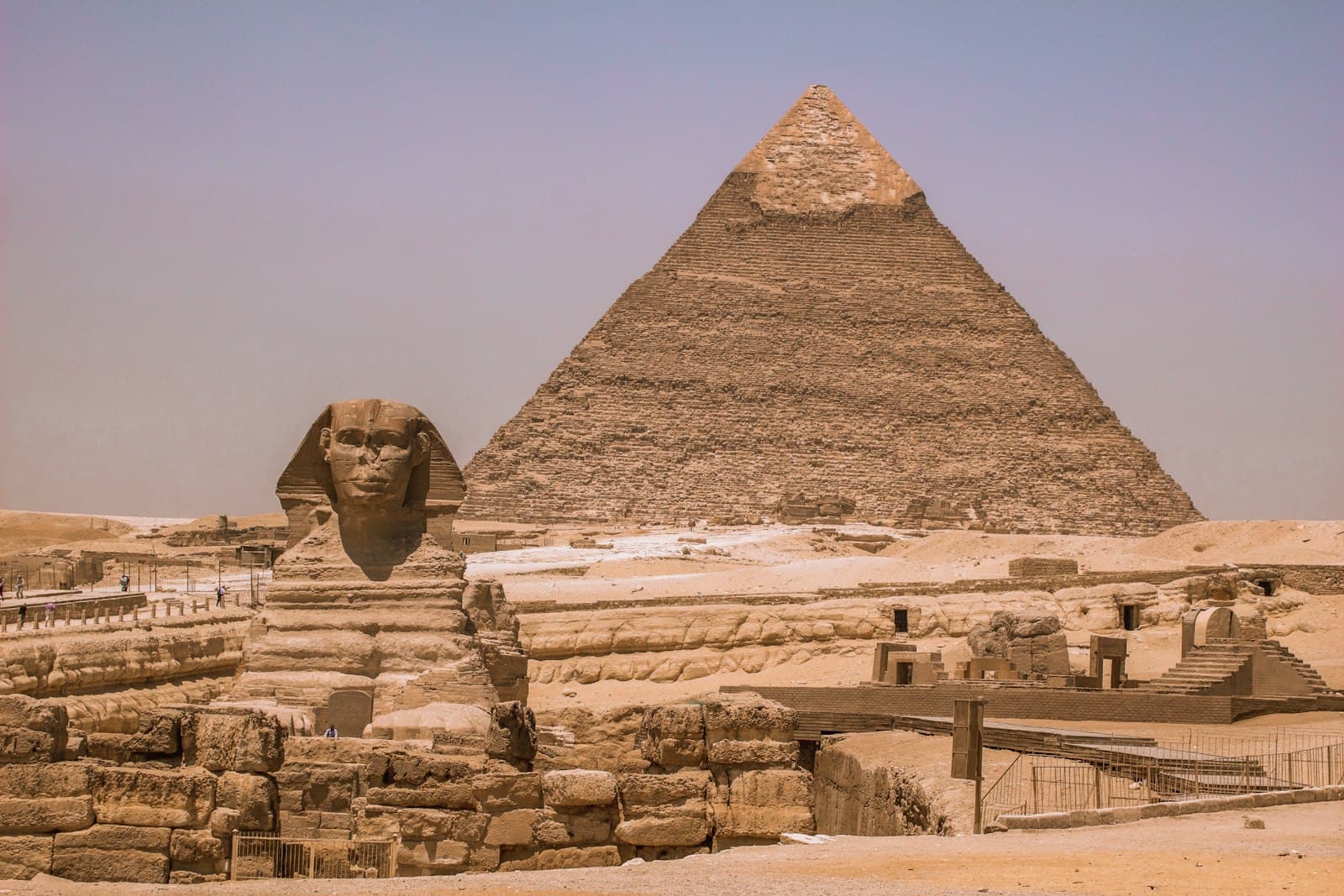
Egypt
Egypt has a large and varied private and international school sector, centred on Cairo, New Cairo and Alexandria, offering British, American and IB programmes. Teachers get to live alongside thousands of years of history, from the pyramids to the Nile. The school week usually runs Sunday to Thursday.
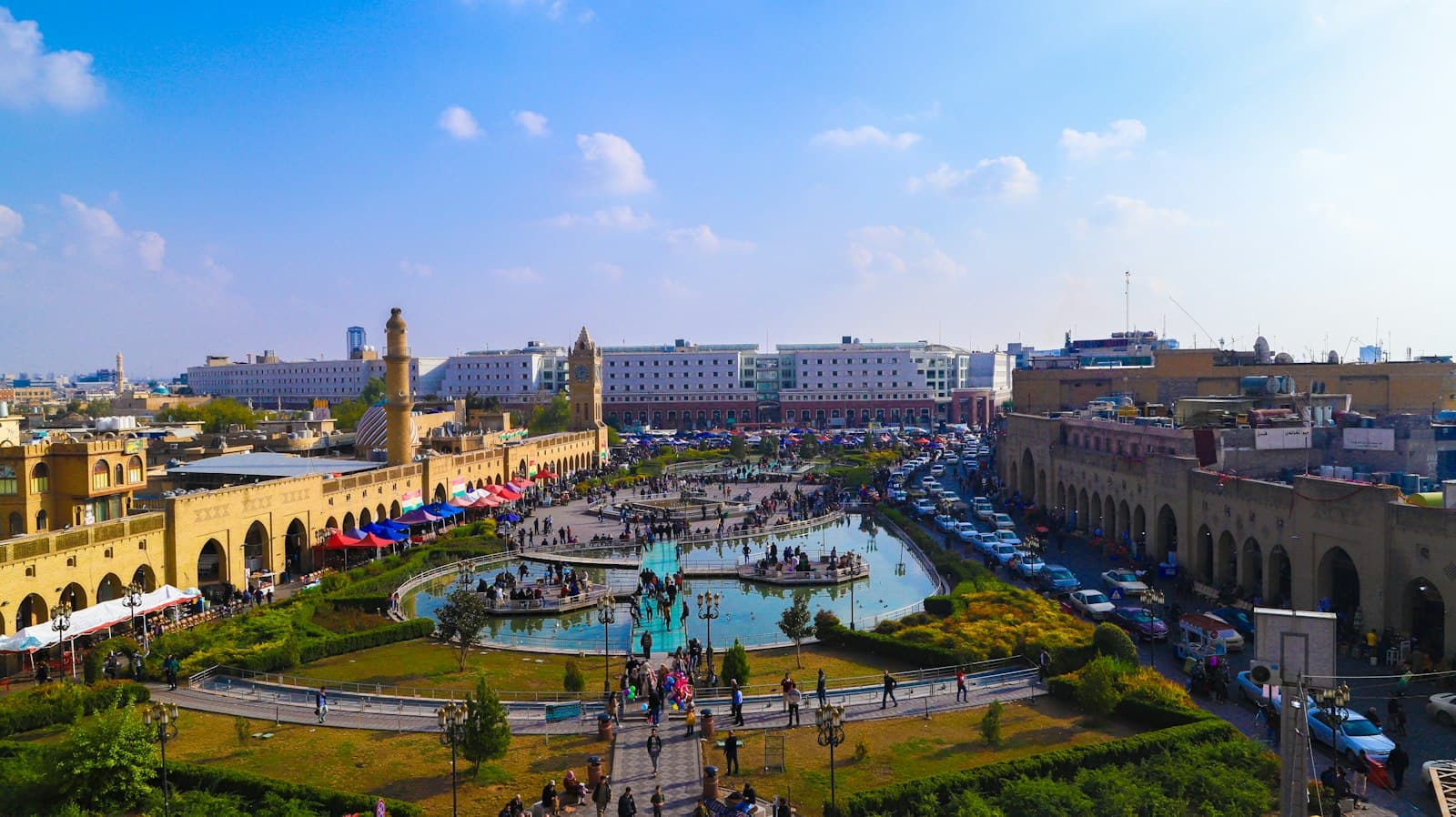
Iraq
Demand for English-medium education in Iraq is growing, with international schools in Baghdad and in the Kurdistan Region, particularly Erbil and Sulaymaniyah. Schools are often smaller, and teachers can have real influence on how they develop. Check your government's latest travel advice before accepting a role.
Found somewhere you'd like to teach?
Send us your CV and tell us where you'd like to go. We'll do the searching.